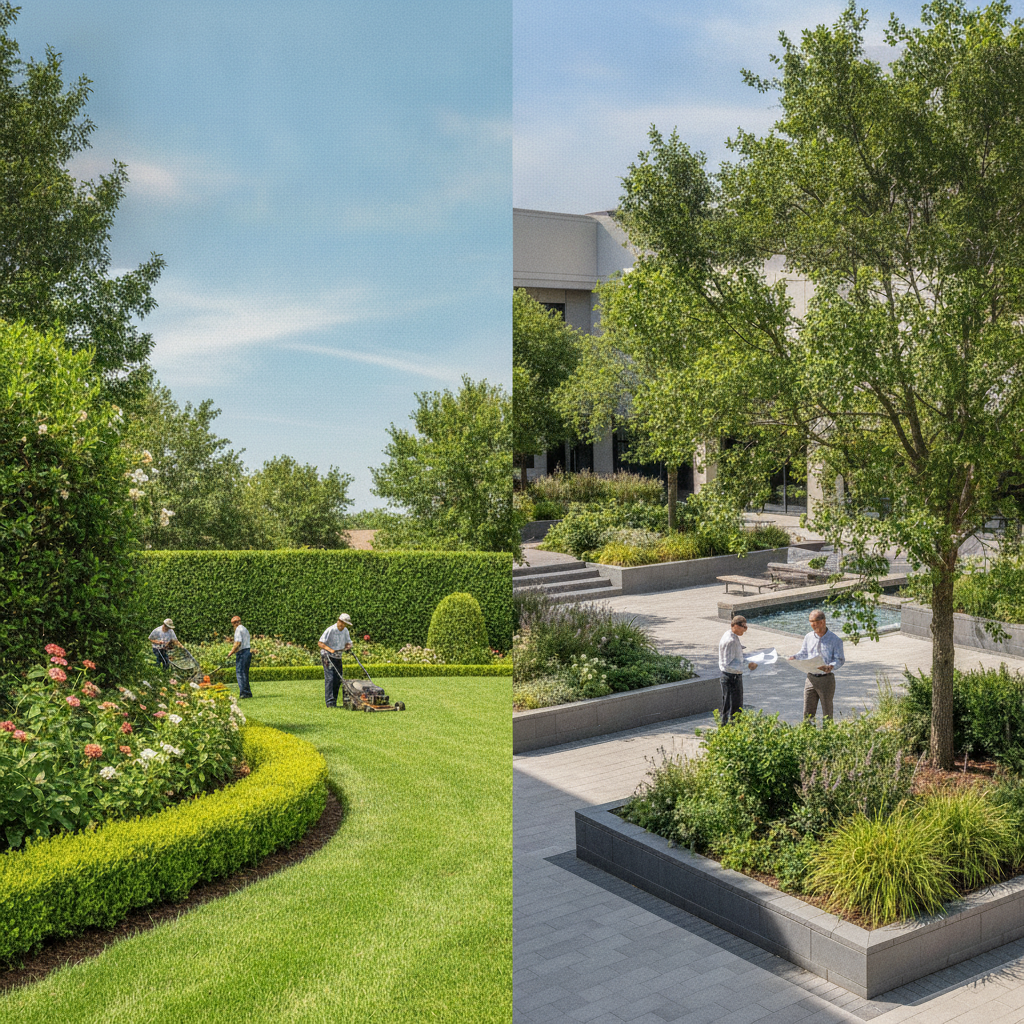


















Grounds maintenance focuses on short-term, tactical upkeep such as commercial mowing, line edging, debris removal, and basic litter control to keep a property clean, functional, and visually orderly. Landscape management, by contrast, is a comprehensive, long-term asset management strategy that incorporates agronomic soil science, advanced irrigation auditing, proactive plant health management, and multi-year capital planning. While routine maintenance protects surface-level cleanliness, holistic commercial landscape management preserves physical infrastructure, protects real estate valuations, and significantly reduces unbudgeted capital expenditures over time.
Understanding Grounds Maintenance: Essential Operational Upkeep
Grounds maintenance represents the fundamental, baseline operational care required to keep any commercial facility presentable and safe. This tier of service prioritizes recurring, task-oriented labor executed on a fixed weekly or bi-weekly cadence throughout the growing season.
In daily operation, routine care prevents a commercial property from falling into visible neglect, establishing a baseline standard of neatness that supports safe access for employees, tenants, visitors, and logistics traffic.
"Properties relying exclusively on basic upkeep often face unexpected capital expenses when unmanaged plant material, poor drainage, or turf diseases go unnoticed until total replacement is required."
Core Services Included in Routine Grounds Maintenance
A standard grounds maintenance agreement centers on high-visibility, surface-level aesthetic tasks designed to keep growth under control and perimeters tidy. Key routine services typically include:
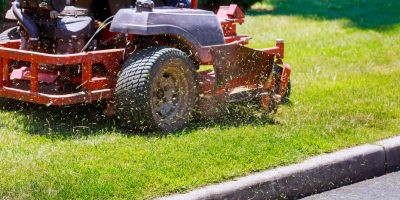
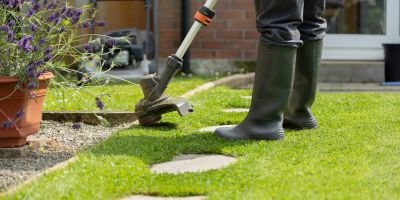
Commercial mowing and edging: Weekly cutting of turfgrass to standardized operational heights, paired with sharp vertical line edging along concrete walkways, asphalt curbs, retaining walls, and landscape bed borders.
Hardscape clearing and debris management: High-velocity power blowing of drive aisles, parking bays, pedestrian walkways, loading docks, and building entrances to eliminate grass clippings, fallen leaves, and loose gravel.
Litter and rubbish pickup: Manual collection of windblown garbage, debris, and refuse across open turf fields, shrub beds, drainage swales, and outer property boundaries prior to mowing operations.
Basic hedge and shrub shearing: Periodic mechanical trimming of exterior shrubbery to maintain clean geometry, prevent vegetation from encroaching on sidewalks, and clear sightlines at driveway intersections.
Standard leaf removal: Seasonal collection and disposal of fallen foliage during autumn and winter months to prevent turf smothering and hardscape staining.
Operational Limitations of Basic Maintenance
While commercial mowing and routine litter removal keep a site looking organized, basic maintenance does not address underlying biological or structural health. Routine crew members are typically managed for speed, efficiency, and surface presentation—not for analyzing soil chemistry, diagnosing fungal pathogens, re-calibrating complex smart irrigation controllers, or assessing structural tree risks.
Facilities that rely solely on basic grounds maintenance over extended periods routinely encounter predictable, costly failures:
Premature Turf Degradation: Repeated cutting without structural soil nutrition, weed control, or core aeration leads to thin, weed-infested turfgrass that requires full sod replacement.
Hardscape and Infrastructure Damage: Unmanaged root systems from fast-growing trees and aggressive shrubs can heave concrete walkways, crack asphalt parking lots, and damage underground utility lines.
Irrigation Inefficiency: Without routine technical auditing, broken spray heads, misaligned nozzles, and stuck valves lead to massive water waste, inflated utility bills, and localized turf oversaturation.
Elevated Safety and Liability Risks: Overgrown vegetation blocking security cameras, unpruned dead tree limbs, and trip hazards caused by eroded pathways increase property owner liability.
This reactive cycle often creates a false sense of security for facility managers. Because the turf appears freshly cut and hardscapes look blown clean immediately following a crew's visit, underlying issues such as soil compaction, micro-nutrient deficiencies, and hidden irrigation leaks remain undetected. Over time, these unaddressed biological stressors silently compound, transforming minor, preventable health issues into widespread turf die-offs and severe root decay that demand emergency remediation.
This dynamic stems directly from how routine maintenance contracts are structured financially. Standard grounds maintenance agreements price services around rapid labor cycles and fixed task completion rates, leaving technicians with little to no allotted billable time to perform root-cause diagnostics. When a crew’s primary success metric is completing a property line within a tight operational window, emerging signals of systemic decline—such as early micro-nutrient chlorosis, localized soil compaction, or subtle pressure drops in lateral irrigation lines—are routinely overlooked until catastrophic asset loss forces a costly capital expenditure.
ℹ️ Info
Commercial properties in Greater Houston face unique environmental challenges, including heavy clay soils, high humidity, intense storm events, and extreme summer heat cycles. Simple mowing and trimming will not prevent turf degradation during summer droughts without active water management and targeted soil nutrition.
Understanding Landscape Management: A Strategic Asset Strategy
Landscape management expands far beyond reactive maintenance to treat exterior grounds as an appreciating physical asset. This approach integrates routine grounds maintenance tasks with specialized technical care, long-term fiscal planning, environmental risk mitigation, and proactive site enhancements.
By evaluating the commercial landscape as an interconnected ecosystem, comprehensive commercial landscaping services safeguard the capital investments made in civil site work, softscape materials, hardscape elements, and stormwater infrastructure.
Critical Components of a Complete Landscape Management Plan
A complete landscape management program incorporates rigorous technical evaluations, customized agronomic schedules, and strategic long-term planning:
- 1 Agronomic Soil and Turf Care: Scientific soil testing to evaluate pH balances, organic matter content, and nutrient deficiencies. Programs include customized liquid and granular fertilization, pre-emergent and post-emergent weed control, targeted fungicide applications, and seasonal core aeration to improve root penetration.
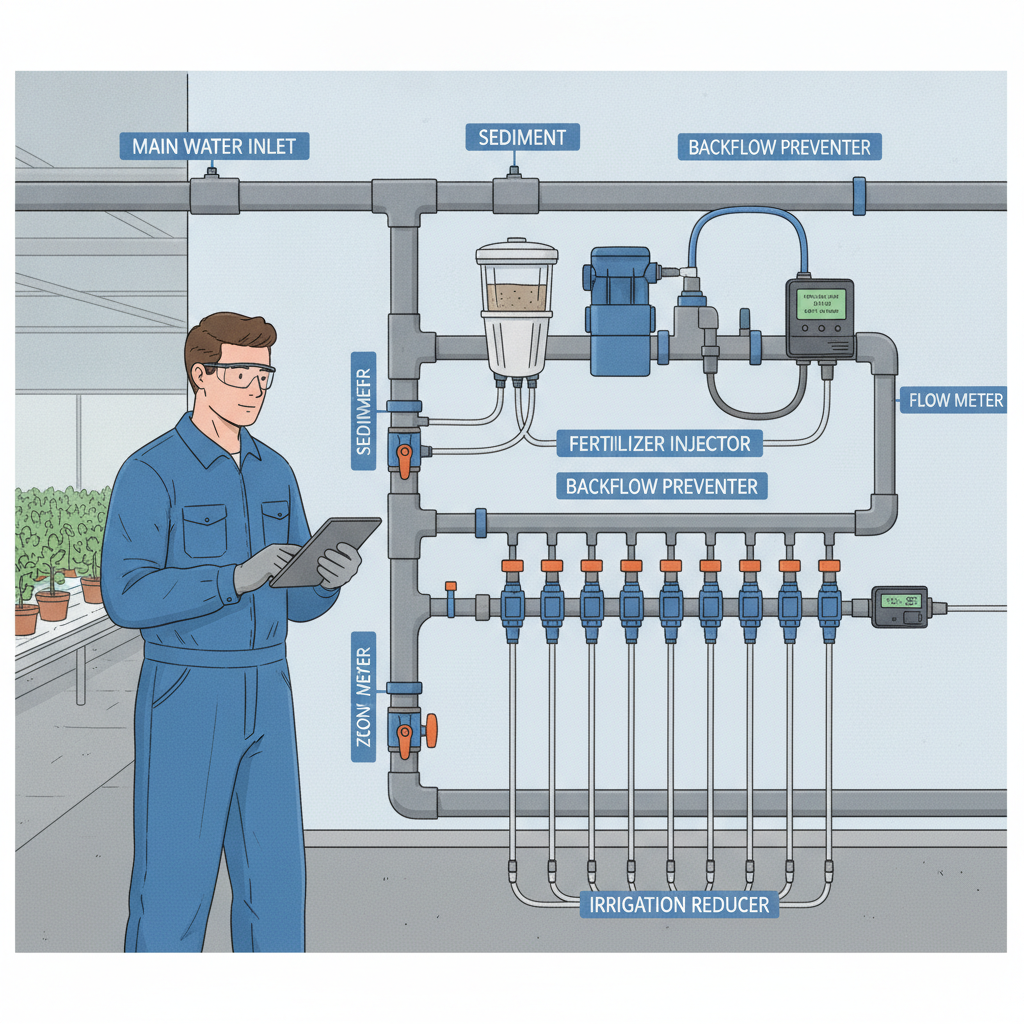
- 2 Irrigation Management and Water Auditing: Routine technical inspections of backflow preventers, mainlines, zone valves, and delivery nozzles. Systems are upgraded with weather-based smart controllers, rain sensors, and drip irrigation to maximize water efficiency and prevent saturated root zones.
- 3 Plant Health and Arboricultural Management: Systematic visual inspections by trained technicians to catch early signs of insect infestations, leaf spot diseases, and structural root decay. Includes selective hand-pruning of ornamental plants and structural arbor care for shade trees.
- 4 Seasonal Enhancements and Capital Planning: Multi-year capital replacement schedules for aging landscape assets. Strategic planning includes seasonal annual color rotations, organic mulch replenishment for soil moisture retention, and phased turf or bed renovations to match changing site usage.
- 5 Stormwater and Drainage Optimization: Continuous monitoring of retention ponds, bioswales, field drains, and catch basins to clear sediment build-up, prevent standing water, and ensure full compliance with municipal stormwater runoff regulations.
Furthermore, integrating strategic software tracking and seasonal soil diagnostics allows landscape managers to transition from reactive troubleshooting to predictive asset management. By analyzing multi-year trends in water consumption, plant growth rates, and soil nutrient depletion, commercial property owners can construct accurate, multi-year capital outlay forecasts. This operational visibility eliminates budget surprises and ensures that exterior capital investments align directly with broader corporate financial objectives.
Long-Term Financial Impact for Commercial Property Owners
Transitioning from basic upkeep to a structured landscape management model transforms exterior expenses from a simple sink hole into a predictable, value-generating strategy. Proactive agronomy and water auditing yield measurable financial returns.
Based on real-world management data, commercial properties operating under a structured landscape management program reduce emergency exterior repair costs by 15% to 25% over a three-year period.
```
3-Year Financial Profile: Reactive vs. Proactive Exterior Strategy
REACTIVE (Grounds Maintenance Only)
Year 1: Low Base Fee | High Emergency Repairs (Unnoticed Drainage/Tree Hazards)
Year 2: Low Base Fee | Turf Replacement & High Water Bills
Year 3: Low Base Fee | Major Hardscape/Root Damage Repairs
TOTAL COST OVER TIME: Unpredictable & High Peak Expenses
PROACTIVE (Comprehensive Landscape Management)
Year 1: Structured Management Fee | System Audits & Baseline Fixes
Year 2: Structured Management Fee | Optimized Irrigation (Lower Utility Cost)
Year 3: Structured Management Fee | Extended Plant Life & Zero Major Failures
TOTAL COST OVER TIME: Predictable, Controlled & Lower Total Lifecycle Cost
```
Systematic irrigation monitoring prevents costly municipal water surcharges and protects paved parking structures from sub-surface erosion. Furthermore, vibrant, healthy greenery and well-kept tree canopies directly boost property curb appeal, supporting higher tenant lease retention and premium rental rates across commercial portfolios.
Beyond direct operational savings, comprehensive landscape management yields substantial long-term financial advantages by supporting property valuation metrics and corporate ESG alignment. Commercial real estate investors and asset managers recognize that exterior sustainability measures—such as low-volume drip conversion, smart evapotranspiration metering, and native species integration—directly reduce utility overhead while satisfying institutional environmental standards. A healthy, professionally managed exterior ecosystem enhances curb appeal, accelerates lease-up velocity, and strengthens NOI (net operating income), directly benefiting capitalization rate calculations during asset appraisals and refinancing evaluations.
🥧 Commercial Exterior Budget Distribution (Industry Benchmark)
Evaluating Your Facility Needs: Grounds Maintenance vs. Landscape Management
Selecting the appropriate operational scope requires property managers, asset boards, and facility directors to evaluate site usage, tenant demographics, visitor volume, and overall investment strategy.
```
Basic Scope: Grounds Maintenance
[ Commercial Mowing ] ──► [ Line Trimming ] ──► [ Surface Cleanup ]
Advanced Scope: Landscape Management
[ Routine Care ] ──► [ Agronomic Audits ] ──► [ Irrigation Optimization ] ──► [ Capital Planning ]
```
Comparing Operational Scope and Outcomes
The practical difference between basic grounds maintenance and full-scale commercial landscape management centers on strategy, technical depth, and long-term asset outcomes.
| Operational Dimension | Grounds Maintenance | Landscape Management |
| --- | --- | --- |
| Primary Objective | Surface cleanliness & basic height control | Long-term asset protection & health optimization |
| Execution Focus | Weekly task completion (speed & appearance) | Technical agronomics & proactive risk management |
| Water Management | Basic timer activation / emergency repairs | Routine flow auditing & smart controller optimization |
| Plant Health | Shearing plant perimeters when overgrown | Hand-pruning, targeted nutrition & pest prevention |
| Budget Predictability | Variable (low base fee with high emergency fees) | High (predictable annual contract with capital planning) |
| Impact on Real Estate Value| Maintains baseline functional cleanliness | Enhances overall asset valuation & tenant retention |
📈 Operational Resource Allocation by Service Scope
Selecting the Right Approach for Your Commercial Site
Commercial real estate portfolios encompass varied property types, each with distinct operational demands and visibility standards:
Industrial Logistics Parks and Warehouses: Typically prioritize high-volume truck turning radius clearance, security sightlines, fence line clearing, and basic perimeter commercial mowing to ensure fire code compliance and easy freight access.
Class A Office Complexes and Lifestyle Retail Hubs: Demand continuous, high-touch landscape management. Rich seasonal flower rotations, vibrant disease-free turf, manicured tree canopies, and water features directly impact corporate brand image, foot traffic, and lease yields.
Healthcare Facilities and Medical Campuses: Require immaculate grounds, quiet operation schedules, ADA-compliant paved walkways clear of overhanging foliage, and serene therapeutic garden areas for patient recovery and visitor comfort.
Multi-Family Communities and HOA Developments: Require proactive hazard mitigation, safe community walking paths, fully functional pool grounds, and optimized outdoor spaces to support resident retention and minimize liability claims.
"A dependable service provider delivers consistent craftsmanship on weekly tasks while proactively identifying future hazards before they impact your operational budget."
Strategic Exterior Stewardship for Houston Commercial Properties
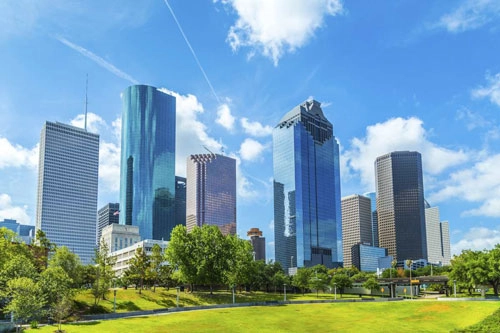
Commercial properties operating in Greater Houston and the surrounding Gulf Coast regions navigate unique climatic demands. Heavy black gumbo clay soils, tropical storm patterns, high humidity, and prolonged summer drought cycles necessitate localized technical expertise.
Managing Local Environmental Factors
Clay Soil Compaction and Drainage Control: Houston's dense clay soil expands when saturated and contracts during dry spells, putting severe stress on plant root systems and concrete foundations. Comprehensive landscape management incorporates deep-tine aeration, organic soil amendments, and strategic surface drainage to clear standing water after heavy downpours.
Heat Stress and Drought Resilience: Summer temperatures exceeding 95°F require high mowing height settings to shade turf root zones, coupled with deeply penetrating irrigation schedules executed during low-evaporation overnight hours.
Humidity and Fungal Disease Management: High nighttime humidity creates prime conditions for turf diseases such as Brown Patch and Take-All Root Rot. Proactive landscape management utilizes scheduled preventive fungicide applications rather than reactive turf treatments.
Severe Weather and Storm Mitigation: Pre-season structural pruning of mature oaks, pines, and crape myrtles thins tree canopies, allowing high winds to pass through safely and dramatically reducing the likelihood of fallen limbs damaging utility lines or building envelopes.
```
┌─────────────────────────────────────────────────────────────────┐
│ HOUSTON ENVIRONMENTAL MANAGEMENT MATRIX │
└─────────────────────────────────────────────────────────────────┘
Challenge Soil / Climate Impact Management Solution
────────────────────── ──────────────────────── ─────────────────────────
Heavy Clay Soils Compaction & Poor Drain Core Aeration & Bioswales
High Night Humidity Fungal Leaf Diseases Preventive Fungicide Programs
Summer Heat Waves Rapid Soil Evaporation Smart Drip & Deep Water Cycles
Tropical Storm Winds Branch & canopy Failure Structural Arborist Pruning
```
Selecting a Dependable Commercial Partner
When selecting a commercial landscaping partner, property managers must look beyond bottom-line initial estimates. A low-cost bid that covers only surface-level grounds maintenance often leads to higher cumulative expenses through unmanaged plant die-offs and emergency site repairs.
Key benchmarks of a qualified commercial landscape management firm include:
Dedicated Account Leadership: Single-point-of-contact account managers who conduct routine site walks, deliver detailed inspection reports, and proactively propose solutions before problems arise.
Technical Certifications: Licensed pesticide and herbicide applicators, certified irrigation technicians, and trained arborists on full-time staff.
Rigorous Safety Standards: Strict adherence to OSHA guidelines, comprehensive commercial liability insurance coverage, uniformed crews, and well-maintained machinery equipped with safety guards.
Resource Efficiency and Technology Integration: Utilization of smart irrigation controllers, flow sensors, GPS-tracked fleet vehicles, and digital client reporting systems for full operational transparency.
At New Leaf Services, we deliver responsive commercial solutions backed by professional execution. Our team works closely with commercial asset managers to design customized maintenance programs that guarantee site safety, maintain clean visual standards, and preserve real estate value.
Key Takeaways: Defining Your Exterior Property Strategy
Grounds maintenance provides essential, short-term surface care such as commercial mowing, line trimming, and perimeter cleanup to maintain site basic order.
Landscape management offers a proactive, long-term operational strategy integrating agronomics, irrigation auditing, tree care, and capital budgeting.
Long-term asset preservation relies on preventive care rather than emergency repairs, lowering overall lifecycle costs for commercial real estate portfolios.
- Tailored service scopes ensure facilities invest precisely in the operational care required for their asset class, occupant profile, and regional climate.
To review your current exterior service plan or schedule a comprehensive site audit for your facility, contact New Leaf Services today to speak with a commercial management professional.